
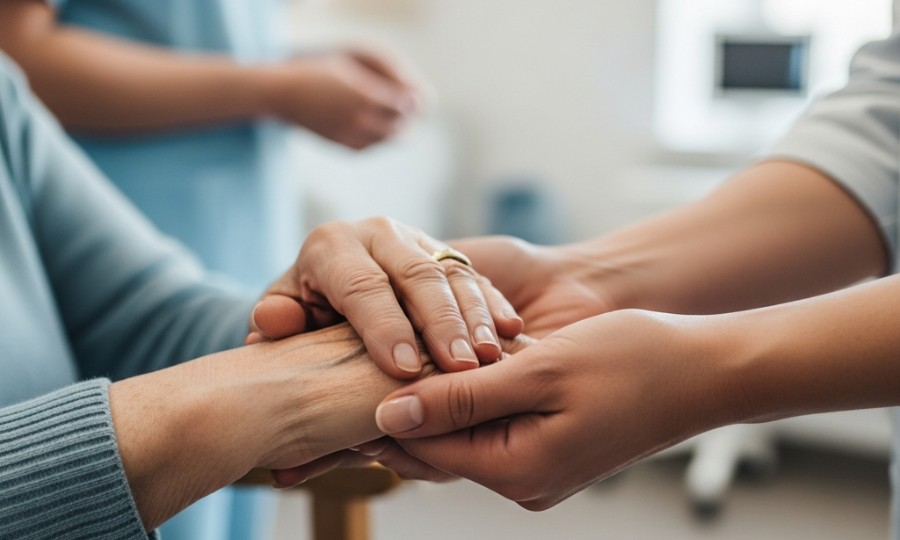
Entrusting the care of an aging loved one to a nursing home is one of the most significant decisions a family can make. You’re placing immense trust in a facility to provide safety, comfort, and professional medical attention. But what happens when that trust is broken, especially in a landscape grappling with evolving regulations and dangerous new threats?
In New York, families are increasingly confronting a complex reality: nursing homes striving to meet new staffing mandates while simultaneously battling the terrifying rise of drug-resistant ‘superbugs’ like Candida auris. This challenging environment, frankly, can create a perfect storm for negligence. We’re going to unpack what these changes mean for your loved ones and how you can advocate for their safety.
The Evolving Landscape of New York’s Nursing Home Staffing Standards
For years, concerns about understaffing in New York nursing homes have been a critical issue, often directly linked to a decline in resident care quality. Recognizing this, New York state implemented new regulations aimed at improving the situation. Specifically, facilities are now generally required to provide a minimum of 3.5 hours of direct nursing care per resident per day, with at least 2.2 hours delivered by a registered nurse (RN) or licensed practical nurse (LPN).
It’s a positive step, no doubt, but here’s the thing: implementing these mandates isn’t always straightforward. Many facilities, particularly smaller or rural ones, struggle with recruitment and retention, making it challenging to meet these new ratios consistently. You might wonder, are these new rules truly enough to ensure consistent, high-quality care, or do they simply highlight the systemic staffing issues that still plague the industry?
Consider a scenario: Mrs. Rodriguez, an 88-year-old resident with mobility issues, relies on staff for assistance with toileting and repositioning to prevent bedsores. Under ideal conditions, the increased staffing hours should ensure prompt attention. However, if a facility is perpetually short-staffed, even by one or two aides, Mrs. Rodriguez might still experience delayed assistance, increasing her risk of falls or pressure injuries. It’s not always about ill intent; sometimes, it’s simply a stretched workforce trying to do too much with too little time.
The Silent Threat: ‘Superbugs’ and the Rise of Candida Auris
Beyond staffing numbers, another insidious threat has emerged, complicating patient safety in nursing homes: multi-drug resistant organisms, commonly known as ‘superbugs.’ Among these, Candida auris (C. auris) has become a particular concern for public health officials, including the Centers for Disease Control and Prevention (CDC). This yeast can cause severe infections, is often resistant to multiple antifungal drugs, and can spread rapidly in healthcare settings, especially those with vulnerable populations like nursing home residents.
Why is C. auris so dangerous in these environments? For one, nursing home residents often have compromised immune systems, making them more susceptible to severe infection. Secondly, the close quarters and frequent contact with healthcare providers create ideal conditions for its spread. And here’s where it links back to staffing: effective infection control protocols – meticulous hand hygiene, proper cleaning, and isolation procedures – are absolutely critical to preventing outbreaks. When staff are overworked, rushed, or inadequately trained, these essential preventative measures can easily falter. What happens when a preventable infection spreads like wildfire through a facility?
Imagine a situation where Mr. Chen, recovering from a hip fracture, develops a high fever. Initially, it’s thought to be a common urinary tract infection. However, after days of ineffective treatment, tests reveal C. auris. Further investigation uncovers that the facility’s infection control practices were lax: staff weren’t consistently changing gloves between residents, cleaning protocols for shared equipment were insufficient, and Mr. Chen wasn’t isolated quickly enough. This isn’t just a medical misfortune; it’s a potential case of negligence rooted in systemic failures.
When Staffing Shortages Meet Infection Control: A Recipe for Negligence
The truth is, staffing levels and infection control are inextricably linked. A nursing home might meet the letter of New York’s new staffing law, but if those staff members are not adequately trained in infection prevention or are too overwhelmed to implement best practices consistently, residents remain at grave risk. This intersection is where negligence often manifests. A facility has a duty to provide a safe environment, and that includes protecting residents from preventable infections and ensuring adequate care.
When a nursing home fails to meet these reasonable standards of care, and that failure directly leads to a resident’s injury, illness, or worsening condition, it can constitute negligence. This could involve everything from failing to monitor a resident for signs of infection to not having enough staff to assist with personal hygiene, which directly contributes to the spread of pathogens.
Recognizing the Signs of Nursing Home Negligence
We know this feels overwhelming, but recognizing the signs of potential negligence is the first crucial step in protecting your loved one. What should you look for? Be vigilant for:
- Unexplained Injuries: Bruises, fractures, cuts, or welts that don’t have a clear explanation.
- Pressure Ulcers (Bedsores): These are often preventable and can indicate a lack of proper repositioning and skin care.
- Frequent Infections: Recurring UTIs, respiratory infections, or the presence of drug-resistant infections like C. auris can signal poor hygiene or inadequate infection control.
- Significant Weight Loss or Dehydration: Could indicate neglect in feeding or hydration assistance.
- Poor Personal Hygiene: Unbathed, soiled clothing, matted hair, or unpleasant odors.
- Medication Errors: Missed doses, incorrect medications, or signs of over-sedation.
- Changes in Behavior: Unexplained fear, anxiety, withdrawal, or agitation.
What Are Your Legal Options in New York?
If you suspect nursing home negligence, you have legal recourse in New York. A negligence claim typically involves demonstrating that the nursing home owed a duty of care, breached that duty, and this breach directly caused harm to your loved one. Documenting your observations, keeping records of communication with staff, and photographing any visible injuries are incredibly important steps.
For example, let’s say a family repeatedly expressed concerns about their mother’s worsening bedsores, only to be dismissed by staff. If the bedsores progress to a severe stage, requiring hospitalization, the family’s meticulous records of their complaints, coupled with medical documentation, would be vital evidence in a negligence claim. Don’t you deserve answers and accountability when your loved one suffers due to substandard care?
Taking Action: Steps to Protect Your Loved One
Protecting your loved one requires vigilance and proactive steps:
- Document Everything: Keep a detailed log of dates, times, specific concerns, who you spoke with, and their responses. Take photos if appropriate and safe to do so.
- Communicate Clearly: Address your concerns directly with the nursing home administration, preferably in writing.
- Contact State Agencies: File a complaint with the New York State Department of Health, which oversees nursing home regulations.
- Seek Legal Counsel: An attorney specializing in nursing home negligence can help you understand your rights, evaluate the strength of your case, and guide you through the legal process. They can help navigate the complexities of New York’s laws and advocate for the compensation your loved one deserves for their pain, suffering, and medical expenses.
The journey through nursing home care can be fraught with worry, especially with evolving standards and emerging threats. But remember, you’re not alone. By staying informed, recognizing the signs of potential negligence, and understanding your legal options, you can become a powerful advocate for your loved one’s safety and well-being. Your vigilance can make all the difference.
This article was drafted with AI assistance. Please verify all claims and information for accuracy. The content is for informational purposes only and does not constitute professional advice.
Free Case ConsultationInjured in an accident? Speak directly with an experienced NYC personal injury attorney at Rosenberg, Minc, Falkoff & Wolff. Your consultation is free, confidential, and risk-free.
No obligation • No upfront fees • You don’t pay unless we win
|