
Part of: Medical Malpractice →
Have you been following the news about nurse strikes in New York City? It’s more than just headlines; these strikes shine a critical light on a deeply troubling issue impacting healthcare across the nation: severe staffing shortages. We’re talking about a problem that doesn’t just make nurses’ lives harder (though it certainly does that); it directly puts patient safety at risk and, unfortunately, can lead to serious medical malpractice claims. It’s a complex web, isn’t it? Let’s unpack how these systemic issues are affecting patient care and what it all means for you and your loved ones.
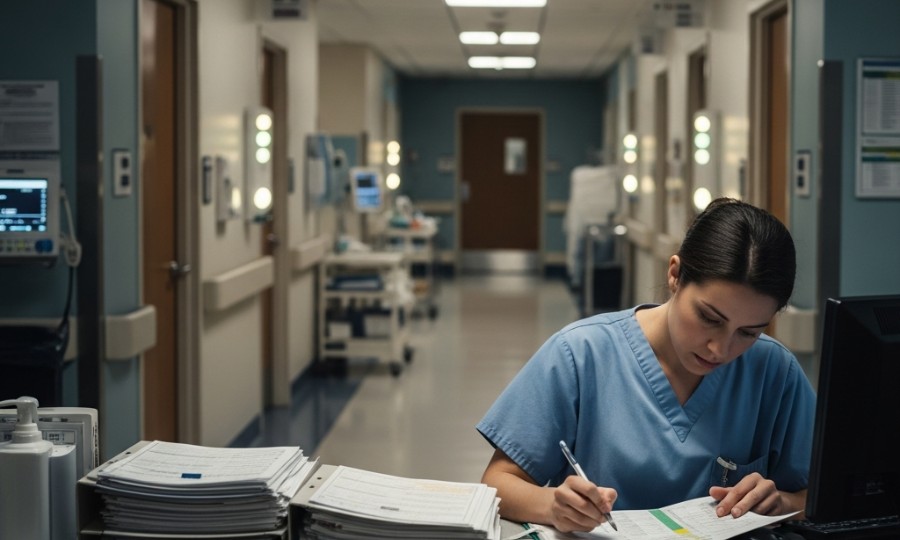
When you walk into a hospital, you’re trusting that you’ll receive the best possible care. But what happens when the nurses, the very backbone of that care, are stretched thin, caring for too many patients at once? The truth is, understaffing isn’t just about inconvenience; it’s a critical safety issue. Think about it: a single nurse might be responsible for twice the number of patients they can safely manage, meaning less time for crucial observations, timely medication administration, and essential patient education. It’s a recipe for disaster, and sadly, it’s becoming all too common in many facilities, prompting nurses to take drastic action like striking to be heard.
Why Staffing Levels Matter for Patient Care and Safety
It’s simple, really: adequate staffing ensures nurses have the time and resources to provide high-quality care. When hospitals are understaffed, nurses often find themselves in an impossible position. They’re forced to prioritize immediate, life-threatening issues, which can mean other vital tasks get delayed or missed entirely. This isn’t a hypothetical situation; official reports from organizations like the American Nurses Association (ANA) consistently highlight the direct correlation between nurse-to-patient ratios and patient outcomes. For instance, studies published in peer-reviewed journals often show that higher nurse staffing levels are associated with lower rates of patient mortality, fewer adverse events like falls or infections, and shorter hospital stays. Doesn’t that make perfect sense?
Here’s the thing: every patient requires individualized attention. A nurse needs time to assess a patient’s condition thoroughly, administer medications safely (checking dosages, patient identifiers, and potential interactions), monitor vital signs, document care, and communicate with both the patient and their family. When these critical tasks are rushed or overlooked due to an overwhelming patient load, the likelihood of errors skyrockets. We’re not talking about minor slips; we’re talking about medication errors, delayed recognition of deteriorating conditions, or even infections that could have been prevented with more vigilant care. You might be thinking this won’t work because hospitals are always trying to cut costs, but the long-term cost of poor patient outcomes far outweighs the investment in proper staffing.
The Burnout Epidemic: A Silent Threat to Quality Care
The relentless pressure of understaffing leads directly to another pervasive problem in healthcare: nurse burnout. Imagine working 12-hour shifts, often without adequate breaks, constantly making life-or-death decisions, and feeling like you can’t give each patient the attention they deserve. It’s emotionally and physically exhausting, and frankly, it’s unsustainable. Many nurses in NYC and elsewhere are experiencing unprecedented levels of stress, anxiety, and moral injury because they simply can’t provide the level of care they know their patients need and deserve. We know this feels overwhelming, especially when you consider the dedication most nurses have to their profession.
Burnout isn’t just a personal issue for nurses; it has profound implications for patient safety. An exhausted nurse is more prone to making mistakes, whether it’s misreading an order, overlooking a subtle change in a patient’s condition, or even experiencing a lapse in judgment. Research consistently demonstrates that high levels of nurse burnout correlate with increased rates of medical errors. It’s a vicious cycle: understaffing leads to burnout, which leads to errors, which further exacerbates the stress on the remaining staff. This isn’t just about tired individuals; it’s a systemic failure that compromises the very foundation of safe medical care. It’s why unions, like the New York State Nurses Association (NYSNA), have been so vocal about advocating for mandated safe staffing ratios in hospitals.
Navigating Malpractice Claims in Understaffed Environments
Unfortunately, when medical errors occur due to understaffing, the consequences can be severe, often leading to preventable harm and, in some cases, medical malpractice claims. If a patient is injured or suffers a worsened condition because a hospital failed to provide adequate staffing, that hospital could be held liable. For example, if a patient falls because there wasn’t enough staff to respond to their call light in a timely manner, or if a critical medication dose is missed because a nurse was overwhelmed, these situations can form the basis of a malpractice suit. It’s a tragic outcome for everyone involved, especially the patient and their family.
Proving medical malpractice in an understaffed environment often involves demonstrating that the hospital’s failure to maintain appropriate staffing levels directly contributed to the patient’s injury. This can be complex, requiring expert testimony and a thorough review of staffing schedules, patient logs, and incident reports. Generally speaking, the legal system holds healthcare providers to a standard of care, and failing to meet that standard due to preventable systemic issues like understaffing can have serious legal repercussions. You might wonder how you can prove negligence in such a complex situation; that’s where experienced legal counsel comes in, helping to piece together the evidence and build a compelling case.
What Can Be Done: Advocating for Safer Staffing and Better Care
So, what’s the solution? It’s clear that addressing staffing shortages is paramount to improving patient safety and reducing the risk of malpractice. The ongoing nurse strikes in NYC are a powerful example of healthcare professionals demanding change, pushing for legislation that mandates safe nurse-to-patient ratios. States like California have already implemented such laws, and studies suggest positive impacts on patient outcomes and nurse retention. I believe this is a critical step for other states to consider.
Beyond legislation, hospitals themselves must prioritize investment in their nursing staff, offering competitive wages, adequate benefits, and supportive work environments to attract and retain qualified nurses. For patients and their families, it’s about being informed and empowered. Don’t hesitate to ask questions about your care, voice concerns if you feel your loved one isn’t receiving adequate attention, and understand your rights as a patient. Advocating for yourself and others can make a real difference. We’re all in this together, and ensuring safe staffing isn’t just a nursing issue; it’s a community issue that impacts us all.
This article was drafted with AI assistance. Please verify all claims and information for accuracy. The content is for informational purposes only and does not constitute professional advice.
Free Case Consultation
Injured in an accident? Speak directly with an experienced NYC personal injury attorney at Rosenberg, Minc, Falkoff & Wolff. Your consultation is free, confidential, and risk-free.
No obligation • No upfront fees • You don’t pay unless we win