
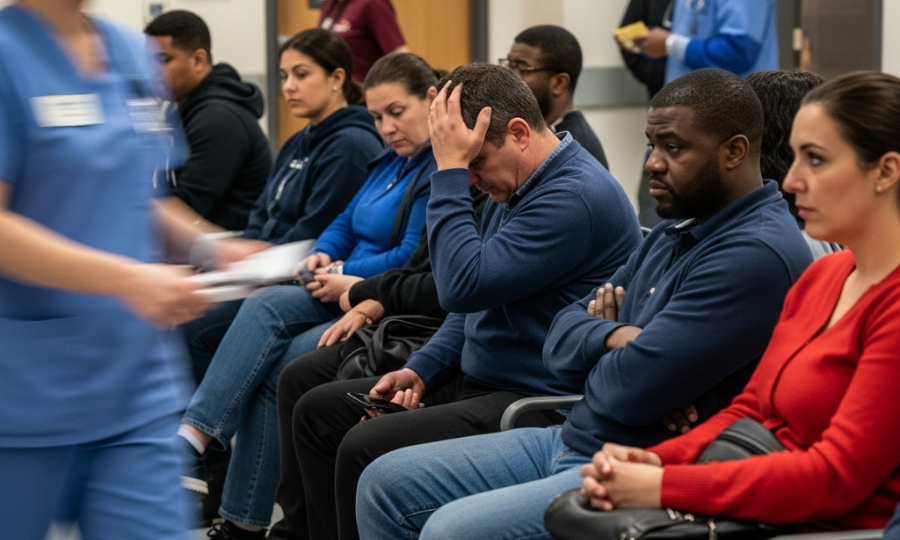
Diagnostic errors affect approximately 12 million Americans every year. Roughly half of these errors have the potential to cause significant harm (BMJ Quality and Safety, 2023). These mistakes can be devastating. They happen in an emergency room. Consequences are severe for time-sensitive conditions like stroke. Many New Yorkers experience long wait times in emergency rooms. These delays often prevent timely stroke diagnoses. This can lead to serious, irreversible damage.
Understanding the Critical Window for Stroke Treatment
Stroke treatment requires immediate action. Every minute counts when someone experiences a stroke. Doctors often refer to this as “time is brain.” A stroke occurs when blood flow to part of the brain stops. This deprives brain cells of oxygen and nutrients. Brain cells begin to die within minutes.
Prompt diagnosis allows doctors to administer clot-busting medications. For example, they might use tPA. They might also perform necessary procedures. These include a thrombectomy. These interventions significantly reduce long-term disability. They can also save lives. A delay of even a few hours can mean permanent impairment. Therefore, swift and accurate assessment in the emergency room is vital.
NYC Emergency Room Overcrowding and Its Dangers
New York City emergency rooms frequently face overcrowding. This creates extended wait times for patients. Overloaded staff may rush patient assessments. They might miss subtle symptoms of a stroke. Patients often wait for hours before seeing a doctor. Then they wait longer for diagnostic tests like CT scans or MRIs. These delays are unacceptable when a stroke is suspected. They directly contribute to delayed diagnoses.
Also, the problem of overcrowding is not new. However, its impact on critical conditions like stroke remains severe. Delayed care can worsen patient outcomes dramatically. Hospitals must manage their resources effectively. They must also prioritize patients with time-sensitive conditions. Otherwise, preventable harm can occur.
How Diagnostic Errors Lead to Missed Strokes
Stroke symptoms can sometimes mimic other less serious conditions. However, emergency room staff must recognize the specific signs. They must act swiftly. Common stroke symptoms include sudden weakness or numbness. This often affects one side of the body. They also include sudden confusion or trouble speaking. A sudden severe headache without cause can also indicate a stroke. Vision problems in one or both eyes may also signal a stroke.
Doctors sometimes misdiagnose a stroke as a migraine. They might mistake it for vertigo. They could also confuse it with intoxication. These diagnostic errors are dangerous. They prevent patients from getting the care they desperately need. Consequently, the patient suffers further harm. This happens when doctors fail to perform a thorough examination. It also occurs when they neglect to order appropriate imaging studies.
When Delayed Diagnosis Becomes Medical Malpractice
Medical errors are a serious problem in the United States. They are the third leading cause of death, claiming approximately 250,000 lives annually (Johns Hopkins University Study, 2023). When a medical professional fails to provide the accepted standard of care, and that failure causes injury, it constitutes medical malpractice. A delayed stroke diagnosis often falls under this category.
For example, an emergency room doctor might fail to order appropriate tests. This happens despite clear warning signs. They might also misinterpret test results. Perhaps they discharge a patient exhibiting clear stroke symptoms. This occurs without further investigation. These actions represent a breach of their professional duty. Such negligence can have catastrophic consequences for the patient. It leads to permanent disability or even death.
Understanding the Standard of Care in Emergency Settings
The “standard of care” refers to the level of skill and care. A reasonably prudent healthcare professional would provide this under similar circumstances. In an emergency room, this standard requires doctors to act quickly and accurately. They must properly assess patients. This applies to those presenting with stroke-like symptoms. This includes conducting a neurological exam. It also means ordering immediate brain imaging.
A deviation from this standard could involve ignoring a patient’s complaints. It could also mean a delay in getting a CT scan. Also, it might involve misreading the scan itself. When these failures cause a delay in diagnosis and treatment, the healthcare provider may be liable. This applies if the delay worsens the patient’s condition.
Your Rights After a Delayed Stroke Diagnosis in New York
If you or a loved one suffered harm from a delayed stroke diagnosis in a New York emergency room, you have legal rights. New York law provides a specific timeframe for filing medical malpractice claims. Specifically, New York has a 2.5-year statute of limitations for medical malpractice claims (NY CPLR Section 214-a, 2024). This period generally starts from the date of the alleged malpractice.
It is crucial to understand this deadline. Missing it can prevent you from pursuing your claim entirely. Therefore, you should consult with an attorney promptly. They can evaluate your case thoroughly. They can also ensure you meet all necessary timelines. Early action preserves your legal options.
Seeking Fair Compensation for Your Injuries
A delayed stroke diagnosis can lead to extensive medical bills. It can also cause lost wages. Many victims face long-term physical therapy. They require rehabilitation. They may need ongoing medical care for years. Also, patients often experience significant pain and suffering. Their quality of life can diminish considerably.
You can seek compensation for these damages. This includes past and future medical expenses. It also covers lost income. It also covers reduced earning capacity. Additionally, you can pursue damages for pain, suffering, and emotional distress. In some cases, you can also recover for loss of enjoyment of life. The average medical malpractice payout in 2023 was $348,065 (National Practitioner Data Bank, 2023). This figure demonstrates the potential value of such claims. It also shows the serious nature of these injuries.
Building a Strong Medical Malpractice Claim
Building a strong medical malpractice case requires compelling evidence. This typically includes all medical records. It involves hospital charts, doctor’s notes, and diagnostic test results. Expert medical testimony is also vital. A qualified medical expert will review your entire case. They will explain how the hospital or doctor deviated from the standard of care.
Also, witness statements from family members can provide valuable support. They can attest to the patient’s condition. This includes before and after the incident. Your attorney will gather and analyze all relevant documentation. They will build a comprehensive case on your behalf. This thorough approach strengthens your position. It helps for negotiation or trial.
The Long-Term Impact of Delayed Stroke Care
The consequences of a delayed stroke diagnosis extend far beyond the initial hospitalization. Many survivors face permanent physical disabilities. They may experience speech problems. They might also have cognitive impairments. Some individuals require round-the-clock care. Families often bear a tremendous burden. They provide extensive care. Or they manage significant financial strain.
These long-term impacts underscore the importance of prompt diagnosis. They also highlight the need for accountability. When medical negligence causes such profound life changes, victims deserve justice. They deserve the resources necessary to cope with their new reality.
How a Trusted NYC Attorney Can Help You
Navigating a medical malpractice claim is complex. It requires specialized legal knowledge. An experienced personal injury lawyer understands New York medical malpractice law. They can investigate your case thoroughly. They will identify all responsible parties. They will also handle all communications. This includes with the hospital and insurance companies. This protects you from aggressive tactics.
Your lawyer will fight for your rights. They will work tirelessly to secure the maximum compensation you deserve. They will guide you through every step of the legal process. This allows you to focus on your recovery and rehabilitation. You do not have to face this challenge alone.
Taking Your Confident Next Steps
If you suspect medical negligence caused your delayed stroke diagnosis, do not wait. Early action is important. Gather any medical records you possess. Write down a timeline of events. Then, contact a trusted NYC personal injury lawyer. They offer free consultations. This initial meeting allows you to discuss your case. There is no obligation.
You deserve justice for the harm you suffered. Our firm stands ready to help you. We will provide clear guidance. We will provide compassionate support. We will also advocate fiercely on your behalf. Take this important step today.
Frequently Asked Questions
What is the statute of limitations for medical malpractice in New York involving a stroke?
New York law sets a 2.5-year statute of limitations for medical malpractice claims. This period generally begins from the date of the alleged malpractice. It is crucial to act quickly to preserve your legal rights.
How common are diagnostic errors for conditions like stroke in emergency rooms?
Diagnostic errors impact approximately 12 million Americans each year. Roughly half of these errors carry the potential for harm, especially in time-sensitive situations like stroke where accurate and swift diagnosis is critical.
Can I sue a New York hospital for a delayed stroke diagnosis if I suffered permanent damage?
Yes, if the delay resulted from a medical professional’s failure to meet the accepted standard of care, causing you harm, you may have a medical malpractice claim. The average payout for such claims in 2023 was $348,065.
What kind of compensation can I seek in a delayed stroke diagnosis lawsuit?
You can seek compensation for various damages, including medical expenses, lost wages, pain and suffering, and the cost of long-term care or rehabilitation. An attorney can help you understand all potential recoverable damages.
This article was drafted with AI assistance. Please verify all claims and information for accuracy. The content is for informational purposes only and does not constitute professional advice.
Free Case ConsultationInjured in an accident? Speak directly with an experienced NYC personal injury attorney at Rosenberg, Minc, Falkoff & Wolff. Your consultation is free, confidential, and risk-free.
No obligation • No upfront fees • You don’t pay unless we win
|