
Retained Surgical Devices can be Dangerous
One of the most common types of medical malpractice may be avoided if special care is taken by a physician, surgeon, doctor, or a nurse. When surgical instruments such as sponges are left inside a patient’s body by mistake during surgery, it is deemed as medical malpractice. It is also referred to as “textiloma” or “gossypiboma” case or a case of retained surgical devices.
How to Choose a Medical Malpractice Attorney Online?

According to statistics, approximately 93% of medical malpractice cases are resolved prior without going to trial. This statistic is high due to the presence of a qualified medical malpractice attorney on the case. If you feel that you are the victim of medical malpractice, you need to be able to hire a lawyer who specializes in this field and who can help you get the most out of your claim. But finding the right attorney online can be difficult if you don’t know what to look out for. Here are some tips you can use to find medical malpractice attorneys online.
Gastric Bypass Medical Malpractice Injury Lawsuits
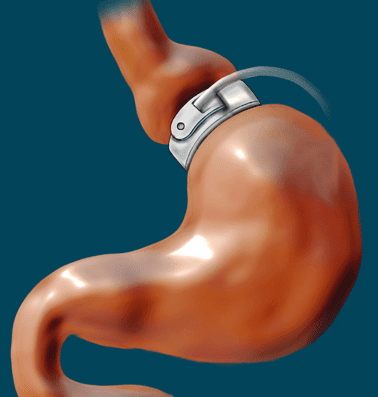
According to statistics, more than 200,000 Americans have undergone some form of gastric bypass surgery each year. This surgery is aimed at helping obese people lose weight, but it comes with its own share of risks, complications, and medical errors. These errors lead to bleeding, hernias, post-operative infections, and even death.
What are the Different Types of Medical Malpractice Claims?
There are many different reasons that medical malpractice takes place. Most of them constitute negligence on the part of the physician and involve the following:
Large-scale clerical error may have harmed patients
It’s pretty easy to understand that there may be tragic consequences when a patient in need of medical attention is unable to see a doctor. Without any care or treatments, even conditions that would otherwise respond to medical treatments might take a serious turn.
Unable to make a diagnosis, doctors turn to DNA technology
Researchers have been sequencing DNA for years in an effort to identify pathogens. However, DNA analysis hasn’t been widely used to diagnose individual patients’ infections because of the time involved in sorting through DNA fragments that might number in the millions. Yet software is already being developed that can compare DNA fragments with databases of stored genetic sequences.
Easily accessible medical records may improve patient care
Have you ever asked yourself these questions: Can a lab test result be used as the sole basis for a diagnosis? Was a generally accepted test used to diagnose my illness? Does my diagnosis match my symptoms?
Do patients have the right to know about previous doctor errors?
Medical malpractice, negligence and doctor errors are a frightening prospect for patients. These potential issues raise the question: do patients have the right to know if their doctor has been cited for malpractice or doctor errors? A recent study into this issue has found that over 77 percent of New York doctors who have faced citations continue to practice.
Hospitals may be negligent in safeguarding against infections
Last month, the U.S. Centers for Disease Control and Prevention released a disturbing figure: Around 75,000 patients die in hospitals each year from infections contracted in health care facilities.
Substance abuse among hospital staff may endanger patient care
Although readers may expect this medical malpractice blog to occasionally address medication errors, today’s entry highlights a different medication concern: prescription drug dependency among doctors, nurses and other medical staff.